$10 Gold: the Eagle series
The ten-dollar gold eagle was a cornerstone of American commerce from 1795 to 1933.
By Royal Coins · Educational guideA workhorse of gold coinage
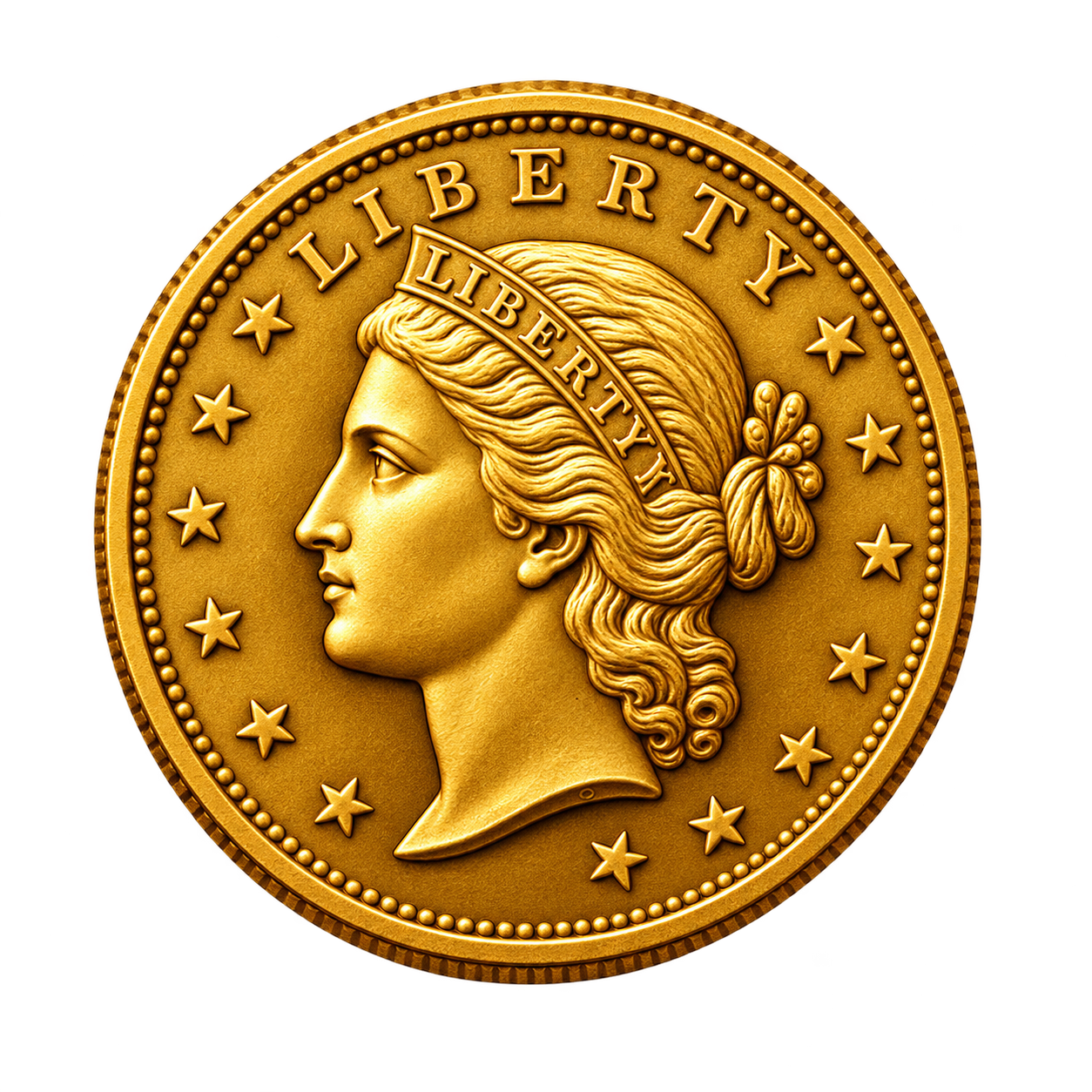
The $10 gold piece, or eagle, was first struck in 1795 and remained important through 1933. It carried the Turban Head, Draped Bust, Coronet (Liberty Head), and Indian Head designs. The Indian Head eagle (1907–1933) was created by sculptor Augustus Saint-Gaudens and is considered one of the most beautiful American coins.
Notable rarities
The 1933 Indian Head eagle is a famous rarity, with most of the mintage melted before release. Early eagles from the 1790s and early 1800s are scarce, and many Coronet eagles from the 1860s and 1870s have very low survival rates. The 1875 is among the rarest of all U.S. gold coins.
A prestigious series
Eagles were struck at several mints, including Philadelphia, San Francisco, New Orleans, Carson City, and Denver. Coronet eagles offer a long date run with many condition rarities, while Indian Head eagles are popular for their artistry. As with all gold, original surfaces and honest grading are essential to value.
Have a question about your collection?
Call 713-664-0881 or visit Royal Coins at 4658 Beechnut St, Houston, TX 77096.
Talk to Royal CoinsFor educational purposes only. Not investment advice or a valuation of any specific item.