Small Cents: from Flying Eagle to Lincoln
The small cent replaced the bulky large cent in 1857 and remains the most familiar American coin today.
By Royal Coins · Educational guideA smaller, practical coin
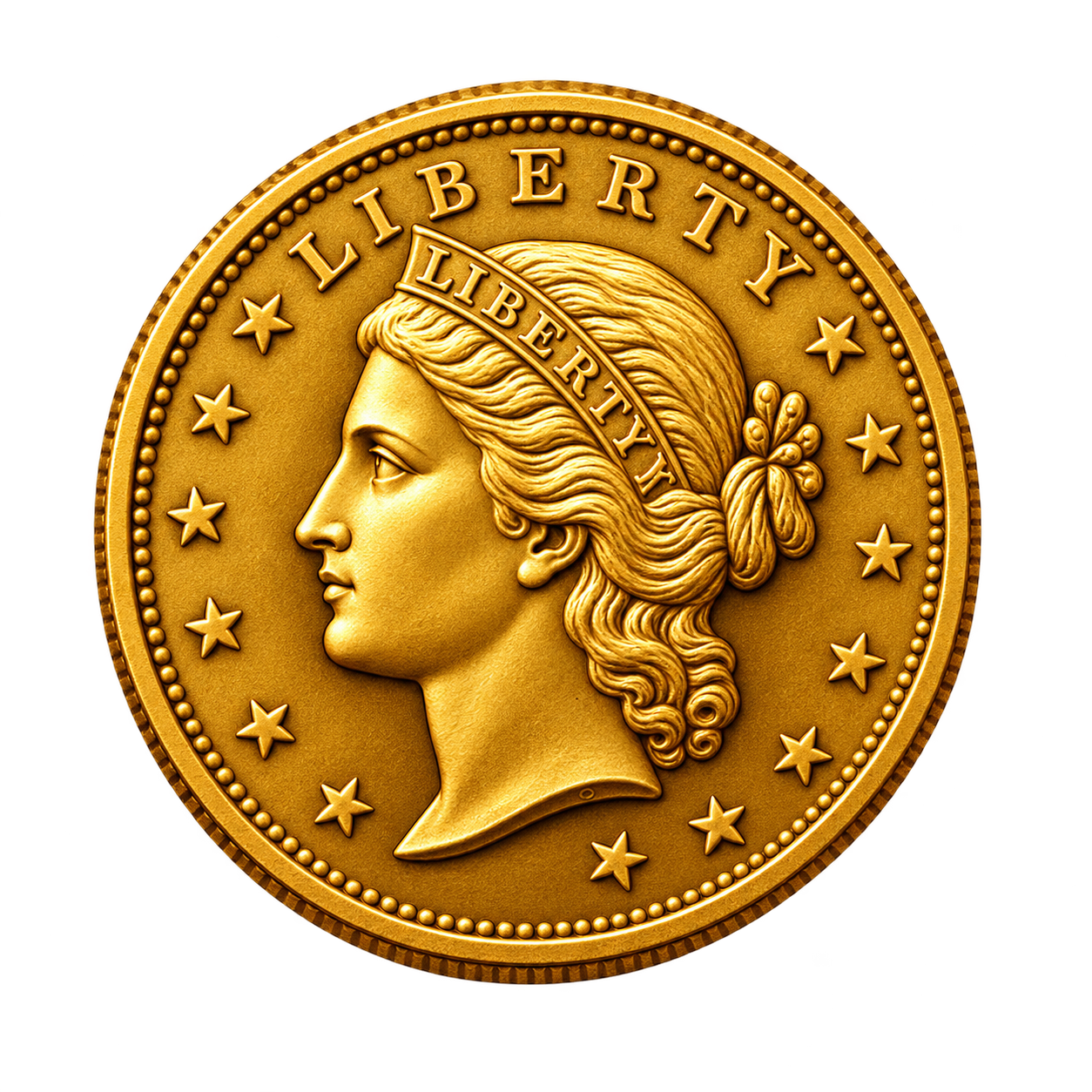
Rising copper prices and the inconvenience of large cents led the Mint to introduce a smaller copper-nickel cent in 1857. The Flying Eagle cent (1856–1858) was the first, followed by the Indian Head cent (1859–1909) and the Lincoln cent, introduced in 1909 for the centennial of Abraham Lincoln’s birth. The Lincoln cent was the first circulating U.S. coin to portray a real person.
Composition changes collectors watch
Small cents have been struck in several alloys: copper-nickel (1856–1864), bronze (1864–1942 and 1947–1982), zinc-coated steel (1943 only, a wartime emergency issue), and copper-plated zinc (1982–present). The 1909-S VDB and 1955 doubled-die Lincoln cents are among the most famous rarities in all of American numismatics.
A series for every budget
Small cents are an ideal starting point for new collectors. Indian Head cents in circulated grades are affordable, and a Lincoln cent collection can be assembled date-by-date from circulation for many years. Key dates and varieties—the 1877 Indian Head, the 1914-D, the 1922 plain, and major doubled dies—are the challenges that keep advanced collectors engaged.
Have a question about your collection?
Call 713-664-0881 or visit Royal Coins at 4658 Beechnut St, Houston, TX 77096.
Talk to Royal CoinsFor educational purposes only. Not investment advice or a valuation of any specific item.