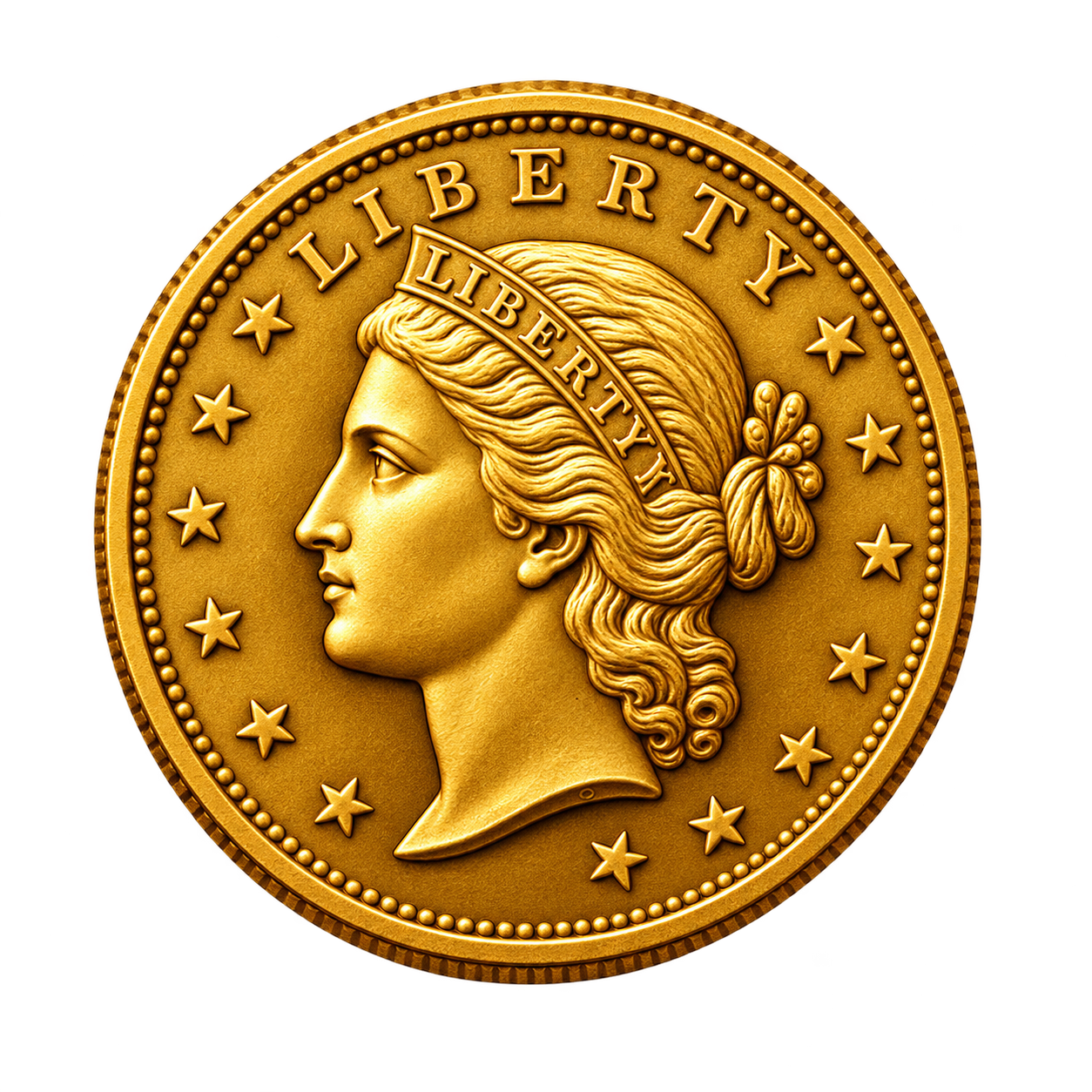
Half Cents: America’s smallest early copper
Minted from 1793 to 1857, the half cent is the lowest face value coin the United States ever issued.
By Royal Coins · Educational guideA coin for everyday change
The half cent was authorized by the Coinage Act of 1792 and first struck in 1793. It was useful at a time when a worker might earn less than a dollar a day, and it let merchants make change for fractions of a cent. Today it is one of the most affordable ways to own a coin that was actually handled in the early years of the republic.
Five major types
Collectors recognize five design types: the Liberty Cap (1793–1797), Draped Bust (1800–1808), Classic Head (1809–1836), and Braided Hair (1840–1857). Each marks a step in the Mint’s evolving engraving. The 1793 half cent is a one-year type with a low mintage and is the key date of the series.
What affects value
Half cents are copper, so condition and surface quality matter a great deal. Original red color, smooth surfaces, and a sharp strike command strong premiums. Many survivors are corroded or cleaned, so problem-free examples in collectible grades are worth more than their mintage figures alone might suggest. Common Braided Hair dates are inexpensive, while early types and key dates are genuinely scarce.
Have a question about your collection?
Call 713-664-0881 or visit Royal Coins at 4658 Beechnut St, Houston, TX 77096.
Talk to Royal CoinsFor educational purposes only. Not investment advice or a valuation of any specific item.